

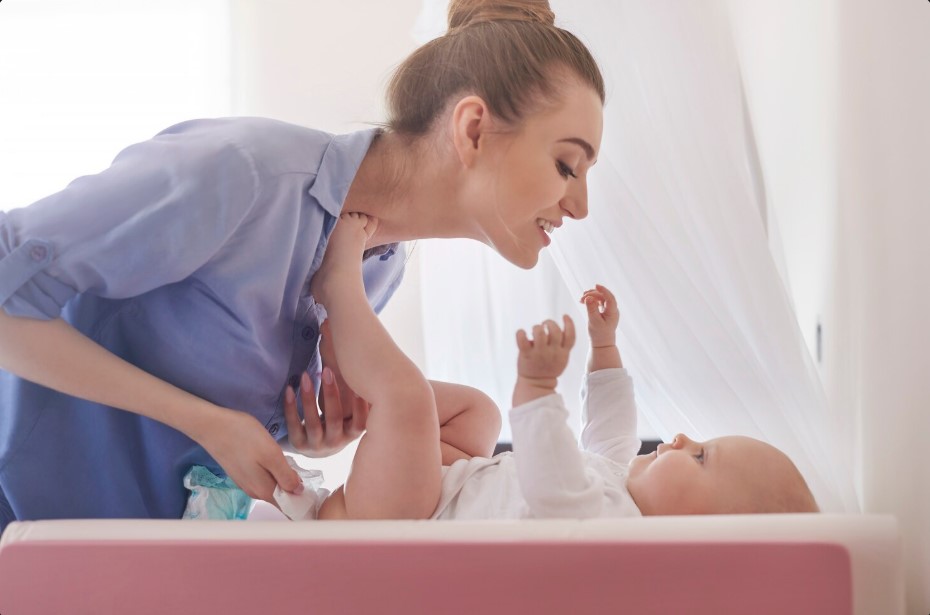

Newborns have delicate immune systems that require careful hygiene practices to reduce the risk of infections and support healthy growth during the first months of life. Parents, family members, a baby nurse, and a nanny all play an important role in maintaining a clean and safe environment while providing daily care. This guide helps you learn essential hygiene practices for newborn caregivers, create healthy routines, and promote your baby’s comfort, safety, and overall wellbeing.
Why Hygiene Plays a Vital Role in Newborn Care
Newborn babies are still developing their natural immune defences, making them more vulnerable to germs that may cause illness. Everyday activities such as feeding, changing diapers, bathing, or handling the baby can introduce bacteria or viruses if proper hygiene is not maintained. Following simple cleanliness practices helps lower infection risks while supporting healthy development during this important stage of life.
Good hygiene extends beyond washing hands. It includes keeping feeding equipment clean, maintaining a hygienic home environment, wearing clean clothing, and using safe caregiving practices throughout the day. Whether care is provided by parents, grandparents, a baby nurse, or a nanny, everyone should follow consistent hygiene routines to create a safe environment for the newborn and reduce unnecessary exposure to harmful microorganisms.
Building Healthy Hygiene Habits Throughout the Day
Daily caregiving routines offer many opportunities to protect newborn health through consistent hygiene practices. Small habits performed correctly every day can make a significant difference in reducing infection risks while keeping the baby comfortable.
Hand Hygiene Before Every Interaction
Hand hygiene is one of the most effective ways to prevent the spread of germs to newborns. Everyone caring for the baby should wash their hands thoroughly with soap and clean water before feeding, changing diapers, preparing milk, cleaning the umbilical cord area, or holding the baby after returning from outside. Alcohol-based hand sanitizers may be useful when soap and water are unavailable, provided hands are not visibly dirty.
Keeping Feeding Items Clean
Bottles, nipples, breast pump components, feeding spoons, and milk storage containers require proper cleaning after every use. Following recommended cleaning and sterilization practices helps reduce the growth of bacteria that may cause infections. Safe preparation and storage of expressed breast milk or infant formula also contribute to maintaining hygiene throughout feeding routines.
Personal Hygiene for Baby Nurse and Nanny
A baby nurse and nanny should maintain high personal hygiene standards while caring for newborns. Clean clothing, trimmed fingernails, tied-back hair when appropriate, and avoiding strong fragrances help create a comfortable environment for the baby. Caregivers should postpone newborn care if they have symptoms of contagious illnesses such as fever, vomiting, diarrhoea, or respiratory infections until medical advice confirms it is safe to return.
Maintaining a Clean Environment for Safe Newborn Care
A clean home environment supports newborn health by reducing exposure to dust, germs, and other potential sources of infection. Frequently touched surfaces such as changing tables, cribs, feeding areas, toys, and door handles should be cleaned regularly using appropriate household cleaning methods. Bedding, towels, burp cloths, and baby clothing should also be washed routinely with suitable detergents and dried completely before use.
Visitors should follow good hygiene practices before holding the baby, including proper handwashing and avoiding close contact if they are feeling unwell. Limiting unnecessary exposure to crowded places during the early weeks may also reduce contact with infectious illnesses. These preventive measures help protect newborns while allowing families to establish healthy caregiving routines both at home and when travelling.
Hygiene Practices During Daily Baby Care
Several daily caregiving activities require additional attention to maintain newborn hygiene and comfort.
-
Wash hands before and after every diaper change.
-
Clean the diaper area gently from front to back.
-
Change diapers promptly after they become wet or soiled.
-
Keep the umbilical cord stump clean and dry until it naturally falls off.
-
Bathe the baby using clean water and mild baby products as recommended by healthcare professionals.
-
Use clean towels after every bath.
-
Wash baby clothing, blankets, and reusable cloth items regularly.
-
Clean toys and frequently handled baby items routinely.
Recognizing When Extra Hygiene Precautions Are Needed
Certain situations require additional hygiene attention to protect newborn health.
-
Caregivers recovering from illness should avoid direct newborn care until medically appropriate.
-
Family members with coughs, colds, or fever should minimize close contact.
-
Medical appointments may require additional hand hygiene before and after visits.
-
Skin rashes, unusual discharge, or signs of infection should be evaluated by a healthcare professional.
-
Shared caregiving should include consistent hygiene routines among all caregivers.
-
Follow healthcare guidance when caring for premature babies or newborns with medical conditions.
Creating Consistent Hygiene Routines for Every Caregiver
Consistent hygiene practices become easier when everyone involved in newborn care follows the same routine. Parents, grandparents, a baby nurse, and a nanny should communicate clearly about feeding schedules, diaper changes, bathing routines, cleaning responsibilities, and safe handling techniques. Shared expectations reduce confusion while ensuring the newborn receives consistent, hygienic care throughout the day.
Establishing written care instructions may also be helpful when several caregivers are involved. Daily routines can include reminders for hand hygiene, sterilizing feeding equipment, cleaning frequently touched surfaces, monitoring the baby’s skin condition, and observing for signs of illness. Prompt communication with healthcare professionals is recommended if the newborn develops fever, poor feeding, breathing difficulties, persistent vomiting, unusual sleepiness, or other concerning symptoms that require medical assessment.
Making Informed Choices for Healthy Newborn Care
Good hygiene is one of the most effective ways to protect newborns from preventable infections while supporting healthy growth and development. Consistent hand hygiene, clean feeding practices, safe home environments, and clear communication among parents, a baby nurse, and a nanny all contribute to high-quality daily care. Following these simple yet essential practices helps families create a safe, comfortable, and healthy environment during the important early weeks and months of a baby’s life.